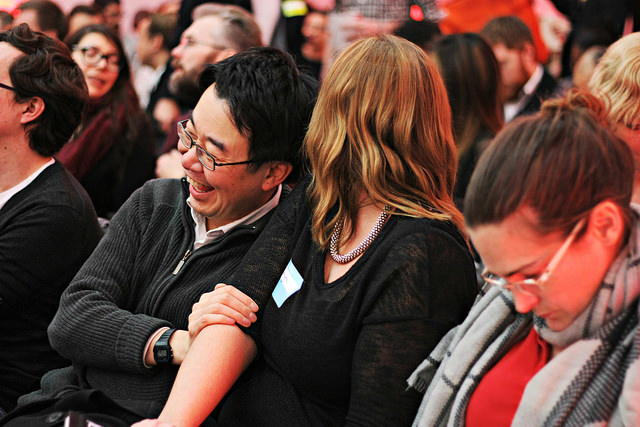
DevelopHer UK Mentoring Programme Graduation Party

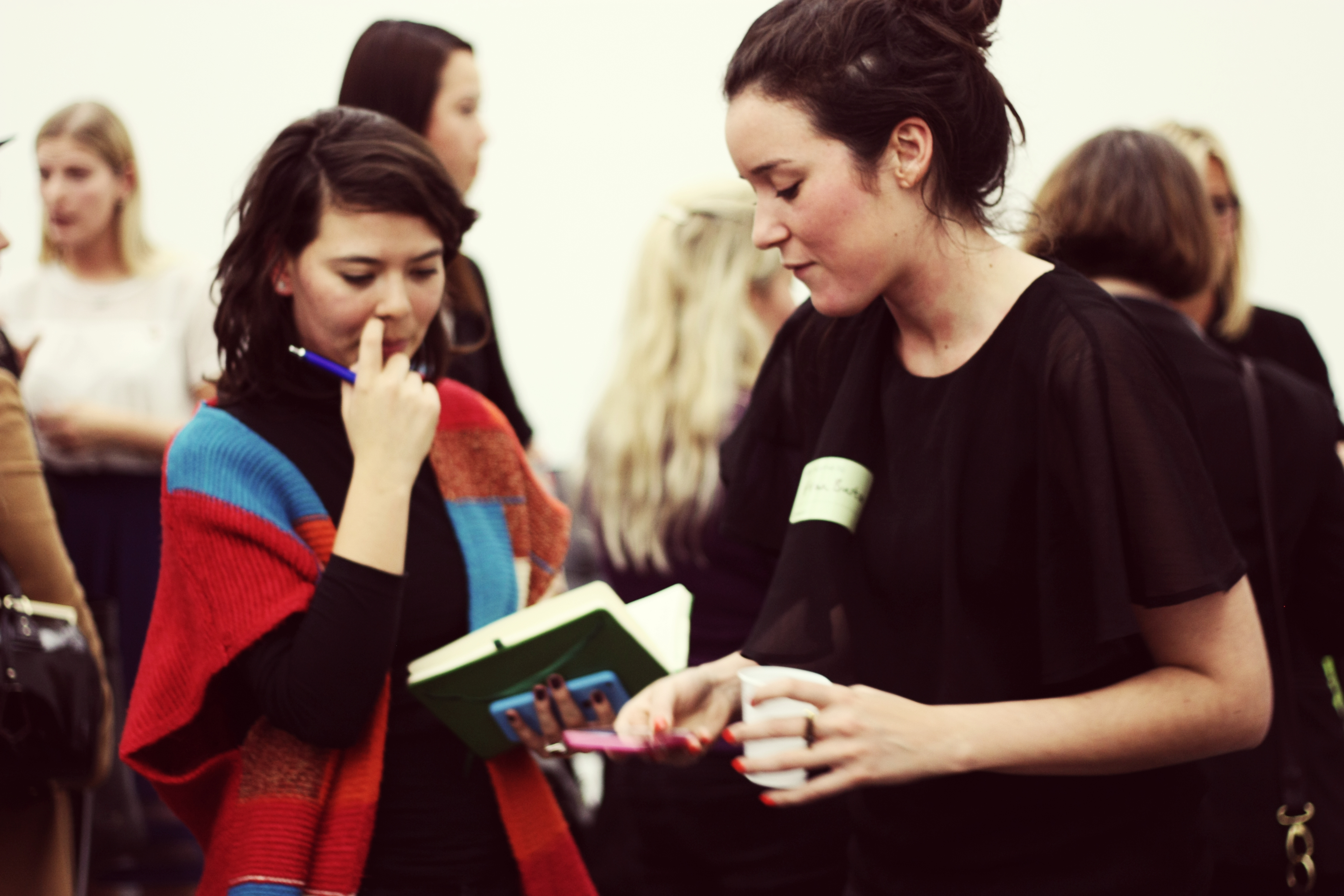
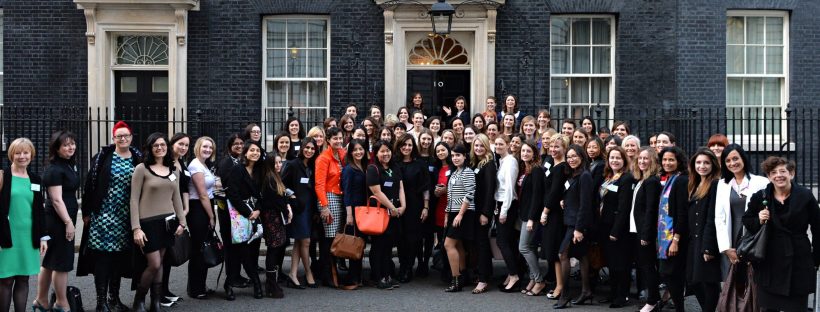
Tonight we are celebrating the end of the DevelopHer UK Mentoring Programme with a graduation party, graciously hosted by Decoded.

Baroness Shields, Ambassador of the programme bringing mentors, will give a speech to congratulate the women that have embarked on the programme and taken steps to forge a successful career in tech.

Kathryn Parsons, Founder of Decoded, and the DevelopHer team will follow with short speeches on the need for more visibility to women who are working in tech and the importance of a supportive network to succeed.

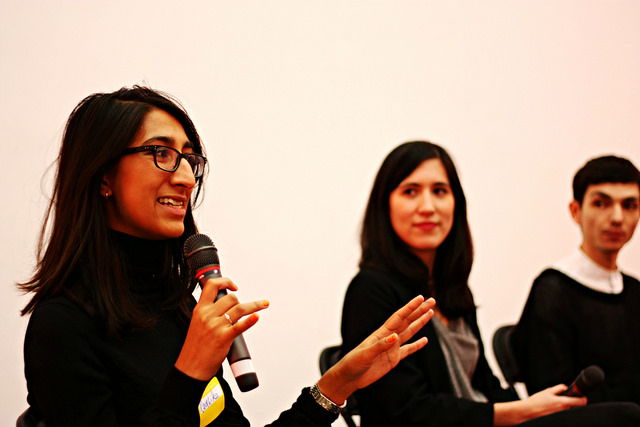
DeverlopHer’s first mentoring programme cohort of 15 mentees will each present their story and experience of the mentoring programme.  A number of inspirational mentors will be attending as well as some of the hundreds of women that applied to the mentoring programme last year.

The programme results will be released on the night along a promotional video for the next programme starting in September 2016.

A very special thank you to Not on the High Street and La Fosse Associates for generously sponsoring the programme.

Evening agenda:

  • 6:30pm – Welcome drinks
  • 7pm – Speeches from Baroness Shields, Kathryn Parsons, Girls in Tech team
  • 7:30pm – Speeches from each of the mentees
  • 8pm – Networking, drinks & canapés

For press enquiries: please contact developher.org@gmail.com

#IWD2016: Celebrating Women in Tech

Capture

About the author: Ashley Krupnik is a Senior Account Manager, Digital at Edelman UK with a keen interest in the technology sector. 

The tech industry is filled with successful, inspirational female founders and leaders. International Women’s Day (along with every day) is a time to celebrate women in tech and the progress made as a female collective.

Female Founders are important. They provide a different way of thinking and diversify the tech industry which is widely known as being dominated by men. Women make up approximately 25% of the tech industry (Huffington Post). Women are underrepresented in digital roles; although making up nearly 50% of the workforce in the UK, females only account for 20% of digital roles (DCMS).

Highlighting the success and gains made by women in the tech industry, here are a few notable women paving the way and taking a different approach that inspire me!

  • Marcela Sapone – CoFounder, Hello Alfred:
    • On the Forbes 30 under 30 list and winner of the TechCrunch Disrupt SF Startup Competition Sapone and her CoFounder have tapped into the millennial mindset and used consumer tech to free up the most valuable thing this generation has: their
  • Susan Wojcicki, CEO YouTube:
    • Involved in Google from the early startup stages, Susan is now one of the most powerful females in the US Tech scene as the CEO of YouTube. Working to further female voices and initiatives, YouTube has partnered with the UN on the Sustainable Development Action campaign to achieve gender equality and empower all women and girls.
  • Ruchi Sanghvi – First female engineer at Facebook, Founder of Cove later bought by DropBox, now on the board of Paytm
    • Ruchi has been in the tech industry for nearly a decade, inserting herself in the male dominated industry from the outset, becoming the first female engineer at Facebook. Continuing to lead within the industry she developed her own company Cove, worked as the VP of Ops at DropBox and is now working with Patym.
  • Nancy Hua – Founder of Apptimize:
    • First hearing about Nancy Hua’s work as part of the Y Combinator, Nancy Hua left a male dominated industry of trading to forge her way in another, the start-up scene. Optimistic about the future of females in the tech industry, Nancy Hua believes the cone of possibility is expanding and more people will be able to enter the tech space and choose based on goals rather than conventional boundaries.

All of these women are pushing boundaries, challenging the status quo and seeking to bring other females up the tech ladder with them.

Today is a day not only to celebrate the achievements of specific women in tech but to come together as a collective and work to achieve even more. There are multiple reasons why females don’t enter the tech field from insufficient early stage STEM education, lack of awareness, intimidation, etc. As women in the field we can all do our part to educate, raise awareness, encourage and inspire other women to come on the tech journey with us.

Initiatives like the Sephora Accelerate program are looking to target female founders and help them make it in the beauty space where the number of female-founded companies are still underrepresented.

The DCMS (Department for Culture, Media & Sport) is also hosting a Women in Digital round table to unpack the barriers preventing women from undertaking digital roles. Closing shortly as the discussion is on International Women’s Day, a survey is available to share your opinion on the changes that need to be made. Have your say here!

Some of the resources (Outside of GIT!) that are bringing women together to inspire and encourage a larger presence in the tech space I follow are below – have a look!

  • Women Tech Founders – inspiring women to use technology to reach their dreams.
  • Blooming Founders – a network for early stage female entrepreneurs.
  • Female Founder Fridays – interviews with amazing female founders every Friday, sign up for the newsletter!
  • Rocket Podcast – one of the few female only tech podcasts out there with a little bit of movie, game and book talk in there.

There is also an amazing event on tonight to mark International Women’s Day #IWD2016: Powering the Next Generation of Female Tech Entrepreneurs at Campus London. Learn more and register your place here – sorry men, ladies only.

Happy International Women’s Day!

Ashley Krupnik, Senior Account Manager, Digital at Edelman UK

IG: @ashleymadeline / TW: @ashkrup

The Debate Over Kids’ Clothes & Gender Roles

genderimbalanceimage

About the author: Sara Upton is a freelance writer and journalist, currently based out of London. She really enjoys writing about society and tech, especially when they relate to gender issues and inspiring women.

It’s pretty commonly accepted that when babies are born, boys are dressed in blue and girls in pink—at least much of the time. This seems to be pretty harmless, and it’s as much about classifying a newborn so that friends and family can easily recognise gender as anything else. However, a broader spotlight has been placed on the ways in which we continue to outfit and equip children as they grow up. And beyond blue and pink, there are differences in the approaches for boys and girls that some believe qualify as early seeds for gender discrimination. Also, they may ultimately have a lot to do with why women have often been drawn away from science and technology jobs in the past.

The clearest example of this issue that’s frequently pointed out is actually a toy, rather than a piece of clothing. Mattel has long been criticised for promoting harmful body image ideals through its line of Barbie toys. While this issue causes its own range of problems, Barbie has also been guilty of reinforcing negative gender stereotypes. According to Dr. Rebecca Hains’ blog, a 1992 Barbie toy used to be able to say, “math class is tough!” and things haven’t gotten much better in the 20-plus years since. Far more recently, in 2014, Mattel produced a book (I Can Be A Computer Engineer) in which a Barbie character stated she could make design ideas, but she would need male classmates’ help to turn the designs into a real computer game. To reasonable adults, these types of messages are nonsensical and easily dismissed, but it’s important to remember that the messages are being delivered to young girls and that they reinforce the idea that tough subjects are better left to men.

This isn’t to say there’s anything wrong with girls playing with dolls in general. Some would extend the issue of gender discrimination to the fact that dolls are marketed to girls and action figures to boys, but there’s a counterargument to be made that toys have gone this direction because girls and boys naturally display preferences for dolls and action figures respectively. The only clear issue is with some of the messages that Barbie dolls, specifically, have conveyed over the years.

Barbie may be the most glaring problem in this conversation, but a potentially more influential problem has become apparent in the clothing industry. There have been horrendous messages reported on children’s onesies and shirts from designers and department stores all over the world. Some merely imply a difference in interest for boys for girls (for instance, by adorning girls’ shirts with polka dots and stripes and boys’ with planets and stars), which may fit perfectly natural into children’s genuine preferences. However, others pretty much directly state that thinking is exclusively for boys (such as a real girls’ shirt slogan that read “I’m too pretty to do math”). In 2014, Huffington Post outlined many of the problems, focusing on various collections and examples that highlighted the depth of the issue. Looking through them it’s quite clear that kids’ clothing has often steered boys toward homework, heroics, science, and careers, and pushed girls toward the exclusion of all of these in favour of being pretty or cute.

None of this is meant to suggest that the onesie you put on a baby is going to decide that baby’s career path, nor that there’s anything wrong with a girl choosing polka dots and a boy choosing planets. Again, sometimes decisions like these represent natural, independent preferences rather than any sort of path influenced by a mass marketing scheme. But children are easily influenced, and messages like the ones just pointed out can leave a deep impression, even on a subconscious level. It’s not a big leap to believe that some girls may grow up believing they’re simply not suited to pursuits in science and technology, even if they don’t believe they’re any less intelligent than boys. But on the brighter side, the fact that dangerous trends like these are making headlines has resulted in some real awareness and change.

Naturally, it’s a big help that news sites are highlighting the issue. We’ve also seen the rise of new clothing lines dedicated specifically and directly to bridging the gap between young boys and girls. In the UK, Tootsa has played a big role. The line was established by a mother who was discouraged about the existing options for kids’ clothes, and it’s now home to a number of gender-neutral designs parents can appreciate. Looking through their collection, it’s clear that there are plenty of different ways in which designers can put together clothing that places kids on even ground without sacrificing the fun elements that will make them actually like their clothes (such as animals and bright colours).

Whether or not gender-neutral clothing can ultimately make a significant difference remains to be seen, because this is a relatively new idea. Indeed, there have been legitimate questions raised about whether a gender-neutral upbringing might come with its own host of problems as well. But when it comes to issues of workplace equality and pursuits in science and technology, it’s hard to imagine the shift away from childhood stereotypes not having an impact. If girls are raised from an early age to believe that science and tech is for them too (if they’re so inclined), it only makes sense that they’ll continue with those interests later in life.

Girls in Tech Mentoring Programme – Got questions?

As the deadline for applications for the Girls in Tech Mentoring Programme approaches, (31st July extended deadline until Monday 3rd of August), we thought we’d write a brief blog post to give you the latest and freshest information.

When does it start and what is the format?

The programme will start on the 9th of September and will run for six months. It will consist of evening speed-mentoring sessions once every five weeks, with key members of the technology industry. Each session will cover a specific topic, this could be anything from top tips for startups, to how to negotiate a raise. Mentees must attend all sessions to get the most out of the programme. It is possible to miss only one session if strictly necessary, although we strongly advise you attend each one.

Can I still apply?

Yes – we have received hundreds of applications already but it does not mean that we have made any decisions yet – on the contrary, we are still hungry for applications. If you are an entrepreneur, or working within a very corporate company, or just thinking of starting your own company – the mentoring programme is still open to you. We have to repeat it here that it is less about what you do than the state of mind you are in at the moment. Do you have big unrealised ambitions and want to grow them? Then yes, the Girls in Tech Mentoring Programme is for you.

Who are the mentors?

Our mentors are 80% women and 20% men, because we do believe in and want to practice diversity. These are people who have outstanding achievements, are part of the Girls in Tech network and many of whom are already experienced mentors. The mentors are people we selected and genuinely interested in giving back and supporting talented women – they are people you can trust to be professional and confidential.

Can I see the list of mentors?

Not yet. We will communicate our list of mentors to you if your application is selected. However, prior to that, we are more interested in hearing about your own personal story, your motives and what you need from the mentoring programme – than how such and such mentors are essential for you to grow.

15643465109_28e0584010_o

How will the matchmaking happen between mentors?

There will be 10 mentors at each session, they will have received the your bios prior to the session. The mentees will present for one minute their questions for the evening based on the topic and any progress made from the previous week. Based on this and the bios, the mentors will select who they would like to mentor for that particular session.

If you are not selected by your chosen mentor that evening, you will still get an opportunity to informally network with them once the session is over.

Can I follow up with mentors?

Only if they give you their business cards. That means that they want to see and follow up with you.

I am not sure I am hungry for it enough…

Whatever stage you are at in your journey there is always room for development, learning and stretching yourself out of your comfort zones. Take a risk, push yourself and go for a new experience meeting new people, experienced mentors and learn from the best in the industry. Why not give your career a huge boost this autumn with the Girls in Tech Mentor programme?

cropped-15209849973_76ee016913_o.jpg

As a Chinese proverb says “one who stays near vermilion gets stained red, and one who stays near ink gets stained black” or said differently “one takes on the colour of one’s company”. The metaphor teaches us that one’s habit may change or come under the influence of other people, events or conversations. We hope that by taking part in the Girls in Tech London Mentoring Progamme it will encourage ambition, entrepreneurialism and positive attitudes amongst our mentees and mentors.

**

Still have questions? Come to our breakfast networking event this Friday 31st of July, or post them on on our private Facebook group.

Send your application before Friday the 31st of July: mpapplications@girlsintech.org

Growing You in 6 Months: Call for Applications for the Girls in Tech Mentoring programme

It was great to see so many people at the Girls in Tech London Mentoring Programme introduction last Wednesday! As usual, we had a strong turnout with a good mix of people, from those quite experienced in their careers to those just beginning in the tech industry.

This breakfast meeting, sponsored by La Fosse (recruiters in Tech) and helped logistically by the wonderful Alice from Runaway East, was to give those interested in the mentoring programme starting this September more of an idea as to what to expect.

As mentioned in my previous blog, this mentoring programme is aimed at women who are seeking guidance to help them maximise their potential and take the lead in their careers.

In case you missed the breakfast session, this is a short overview of what to expect in the programme. We will hold another session in the coming weeks for those who could not make this one – so keep an eye out to our events page!

Girls in Tech London Mentoring Programme

The Girls in Tech London Mentoring Programme is beginning in September 2015 and will run for 6 months until February 2016. The programme will consist of speed-mentoring sessions run every 5 weeks with selected and high profile people in the technology industry. Each session will revolve around a different topic integral to career advancement, ranging from “Tips from lean startups to improve your productivity” to “How to Negotiate Yourself a Raise or Promotion”.

We are fully committed to delivering a strong programme and we know that the women who are involved will show the same level of dedication. With this in mind feedback on each session and a written blog on the mentoring are required to complete the programme (not to mention the compulsory attendance to each session) with the aim of building upon this first experience for future mentoring programmes.

After the programme has finished, we would love for those who have completed their mentoring to become ambassadors for the scheme in order to get more women involved and help Girls in Tech make it even better for next year. This way we can improve and grow the number of female in the boardroom or at senior executive roles – for a better visibility of women in tech.

The deadline for applications is the 31st of July. There is no pre-arranged format for the applications – you are given complete creative rein on this. Your application could be an email, it could be a song or even a video application – anything goes!

At Girls in Tech we are really excited about this initiative to give the next generation of female tech leaders the guidance and support they need to take the lead in their careers. We want those on the programme to grow over those 6 months in terms of confidence at work and in business and to take risks and pursue the career they really want.

If you are interested in applying to the Girls in Tech London Mentoring Programme or perhaps know a friend who would benefit from the programme, please get in touch!

Send your application to: mpapplications@girlsintech.org

Or tweet us with your questions: @Girlsintech_UK

Good luck!

Get Started in Web Development: A Free Evening Class

Web Development

Didn’t get a chance to grab a ticket to our Spring into Code weekend at Twitter? We’d still encourage you to sign up for the waiting list, but otherwise, you can join General Assembly on 9th April at 7pm at Google Campus for a free web development taster class. Simply sign up here.

Class details:

Thinking of learning to code, but getting lost in the alphabet soup (AJAX, PHP, CSS, etc)?

Whether you’re interested in building your own web sites and applications, or looking to change careers, our class will introduce you to the world of web development (and programming in general).

We’ll take a dive into specific programming languages, tools and real life examples. We’ll also discuss what you need to get started as a web developer, as well as how you can break into this dynamic field.

This class provides an overview of:

  • Development tools (what you need to get started)
  • HTML and CSS
  • JavaScript and APIs
  • Ruby on Rails
  • Resources to help you along the way (including some GA classes)

Register for this class for FREE here: http://bit.ly/1bQTvdd

Creating Female Leaders

The Inspiration behind the Girls in Tech Mentoring Programme

At Girls in Tech we work hard to support and raise the visibility of women in technology. Through different events and initiatives, like our list of female speakers or April weekend coding event, we are directly reaching women in the industry and fostering a close-knit community in London.

Sessions like these always get a strong turnout and often include many prominent women who are already achieving great things in tech.

Having said that, we care about providing events geared toward those women who do not yet have career confidence – we want to create a community to nurture tech’s up-and-coming women. It is through this desire that the Girls in Tech Mentoring Programme was born.

15306132813_c2ed249054_k

During my time championing Girls in Tech and raising the profile for women in the industry, I have had the privilege to interview many prominent men and women working in the sector. A few interviews stick out and were the catalyst for my inspiration to start the Girls in Tech Mentoring Programme. It was mentioned by multiple industry leaders time and time again that the key differentiator between men and women in tech was confidence – or perceived confidence.

In these interviews it became apparent that women were seen as less likely to ask for a promotion than men. Though this is not always the case, the perception is that women will more likely want to prove themselves to managers to put them forward for promotions, rather than the women ambitiously going after a promotion based on potential. As Kate Heddleston writes it, it is much more a recognition pattern than a societal bias made-up against women.

When looking for new hotshot engineers, founders, or leaders, people default to these stereotypes about past patterns and often look for people who are young, white, or male. Even when we encourage people who are different from past examples to take on these roles, we have a hard time letting go of the patterns we’ve seen and expect them to exhibit behaviuor in line with our idea of success.

It became clear to me that what London is currently missing is a programme that builds not just the confidence of women in technology – those schemes are numerous and already exists – but simultaneously a scheme that encourages career development to become a leader in one’s company. A scheme that could reveal to women their own deceiving behaviours and how to go about gender biases in a non-blaming or victim way.

With this in mind, we have created the Girls in Tech Mentoring Programme.

For this 6 month mentoring scheme we are looking for women who have not yet reached their full potential in the tech industry but yet are working for fast growing companies or scale-ups and want to grab their part before they get drowned in the crowd of new employees.

We want women to become CEO’s of their own companies, or go take risks launching a spin-off of their own. Some people call this “intrapreneurship”. Whatever the word, we are looking for women who feel or are recognised with big potential but don’t know how to go or have not yet been fully aware about it.

15209849973_76ee016913_o

The mentoring sessions will be organised with established industry figures. They will cover key topics essential to career development, and more personal topics related to expectations like how to get a raise or tips for building a successful startup.

Our unique mentorship programme will provide a valuable opportunity for support and growth of the next generation of Girls in Tech. After 6 months we hope to look back and see significant career advancements for those who have participated in the programme – increased roll responsibilities, raises, or promotions.

To find out more about the mentoring scheme and how to secure a place as a mentee, please attend our breakfast session at 8am on the 8th of April. More details to follow this week. Get your ticket and see you there!

Girls in Tech goes to 10 Downing Street

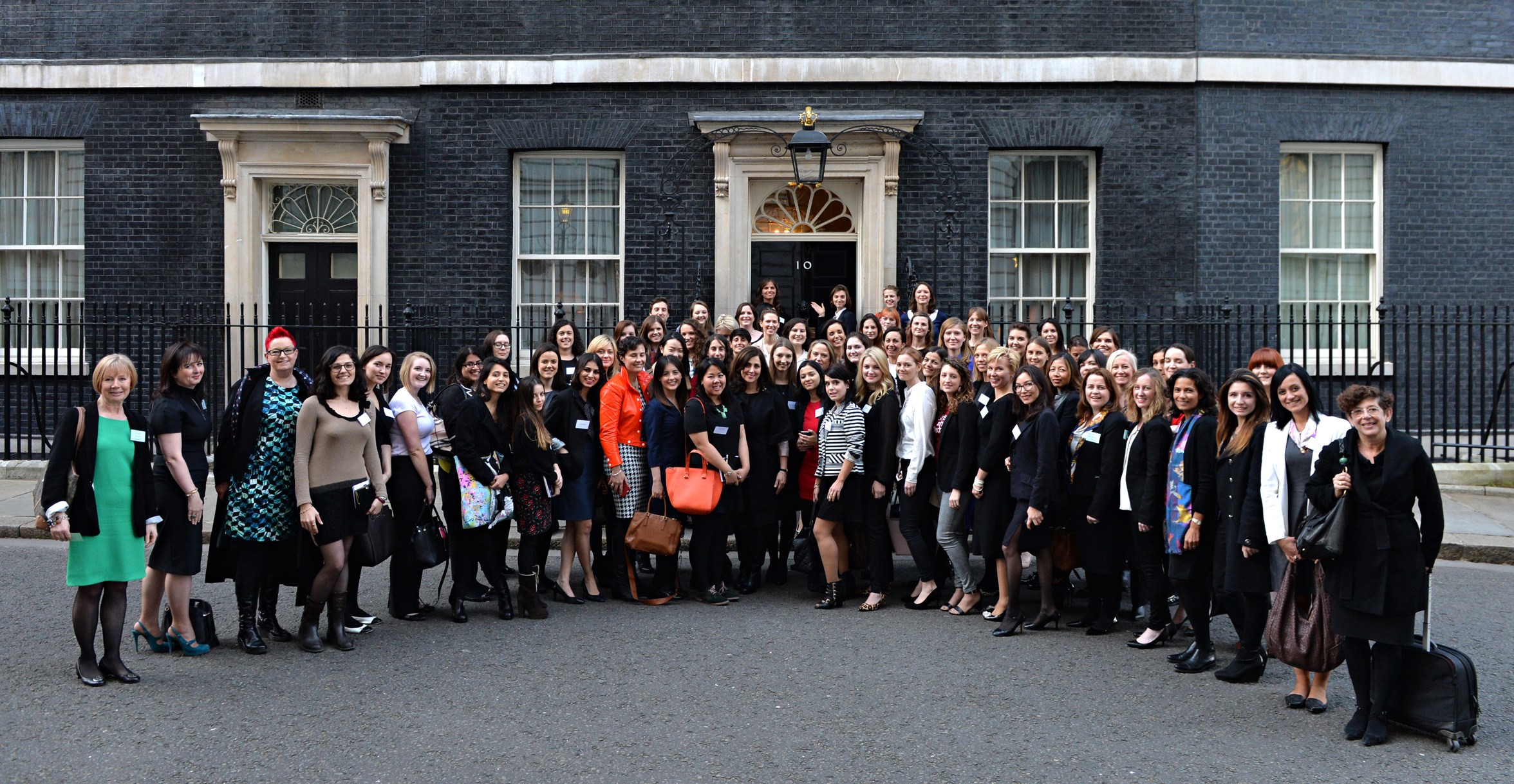
When has there ever been close to 100 women filling the State Dining Room at 10 Downing Street?

When Joanna Shields, Girls in Tech and Inspiring Fifty partnered up to organise a mentoring session for 40 UK-based girls and 40 of the most influential women in European technology.
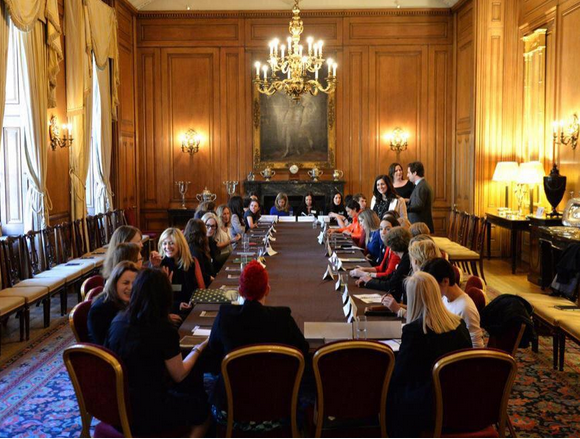
Screen Shot 2015-03-15 at 21.54.20

Roundtable discussion in 10 Downing Street’s State Dining Room.

“I’m in a hurry to achieve everything” – said Neeles Kroes in her opening speech of the hour roundtable that preceded the mentoring session.

And indeed, Kroes’s feeling is not only true for herself (she is 70+!), but arguably for all the 90 women around the table discussing what Government can do to support women in the digital industry.

It is estimated that “there are less than 20% women on the FTSE 100 Board of Directors” (Camilla Ley Valentin, co-founder of Queue-it) and that it will take 70 years to see an equal number of female and male directors of FTSE 100 companies (Equalities and Human Rights Commission).

And yet, these unfortunate numbers fall far from describing the frustrating reality of those very women sitting at those boards of Directors. Barbara Labate, serial entrepreneur and CEO of Risparmiosuper, shared with the audience her exasperation at meetings with prospective investors alongside her co-founder where “they [investors] tend to think that I am the assistant!”.

Even one of our attendees, Sarah Rench, noticedwalking up the stairs in Downing Street surrounded by my fellow Girls in Tech, the black and white photographs of past Prime Ministers emphasised this point again. Baroness Margaret Thatcher’s portrait placed near the very top of the stairwell signified her recent tenure in the position, but also served as a reminder that she is the only female Prime Minister to date, and only in very recent British history.

In other words, the world seems to still be asking women: “What are you doing here?” writes Nandini Jamm, in a way to implicitly ask, “why bother? Why fight when all numbers are against you?”

A Roundtable of Influential Women to Break the Wall Down

These feelings are the very reason why Girls in Tech exists. Founded in 2007 in San Francisco, and since 2013 with an active local presence in London, Girls in Tech aims to raise the visibility of women in technology, entrepreneurship and innovation.

Through monthly engaging events with high-profile women speakers (also open to men!), Girls in Tech wants to lead a change in the way feminism has been fighting for its right: by moving away from the gender debate and going for a can-do/just-do attitude.

As Josephine Goube, co-MD, first to speak at the roundtable to present Girls in Tech to the room of female leaders said “we are here to raise the visibility of female role models and so to connect promising talents of tomorrow with today’s female leaders“.
1-wOV-Z4tojdZ-QueMnlRb8g

Europe’s Inspiring Fifty!

Contacted by the Inspiring Fifty to be partners of the event, Girls in Tech was honoured to select the ladies that would get in to be mentored. “We selected 40 girls out of hundreds of applications. We were overwhelmed by the quality. One more reason to make us feel that our mission at Girls in tech serves a need and a cause.”

Following the speech of Neelie Kroes, the other 40 women shared their own personal story and lessons learnt from experience, in hope to inspire the next generation present in the room to take action.

“This [what we have in this room] is girl power, and we need to put an end to constantly underestimating ourselves.” @NeelieKroesEU.

“It’s vital that we, as women, support one another. We all hold this responsibility” @joannashields

“We have to play as a team to move the lines in big corporations (@geraldine) and as such, set an example that empowers other women to enjoy fulfilling and beautiful jobs (@Lararouyres) because we need more women to shape the society of tomorrow (Lindsey of @WomensW4).”

There is nothing to stop women from taking a seat in the boardroom but themselves and the lack of examples may make it a little more difficult @josephinegoube. Still, in the words of Nicola Mendelsohn that day who quoted Eleanor Roosevelt, “You must do the things you think you cannot do”.

The Mentoring Session

And so, on that day, together we did. Joanna Shields closed the roundtable inviting mentors and mentees to begin the mentoring session – 10 minutes of one-on-one discussion between the most influential women in business and a select number of London’s promising women in tech talent.

From the buzz in the room, testimonials the Girls in Tech team captured on that day, and in the email that followed, the session was a success in many ways.

First, for many, it was “THE moment” they’d been waiting for to inspire their own career path and guide their way to success.

“In this room there was an overwhelming, unmistakable feeling of girl power. When I walked away I felt like I could do anything I wanted to do.” Jessica Wesley

“Learning from other people’s experiences and life stories takes the scary out of, and was one of the most insightful parts of the day” – Diana Lee

“The conversations I had during the mentoring session pushed me to start working towards the goals I have been considering, daydreaming about for a long time.”Eniko Tarkany-Szucs

Secondly, it was an occasion for leaders to transmit their knowledge and responsibility to the next generation of leaders or as Yolanda Blasco puts it, for Women Tech Leaders to Finish what Feminism Started.

“It was odd to hear women who are at the top of their game describing the same niggles that I feel… it shows that we’ve still got work to do, together.”Kirsty Joan

The event sent a strong message to the world that “women belong here” and are ready to fight for that to be the norm. 

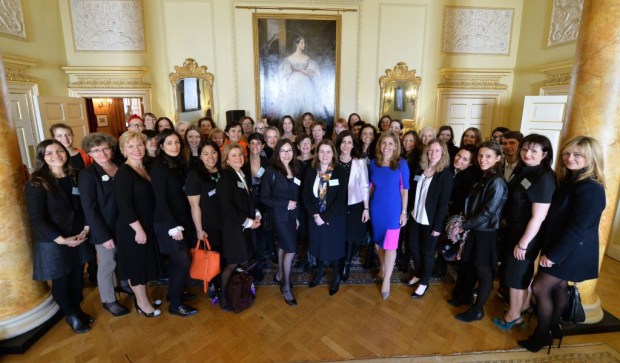
pic2

Current female tech leaders & the next generation, all together.

The day after the event, the BBC’s high-profile documentary, India’s Daughter, was broadcasted. It illustrates how Indian women are in physical danger every single day when they come home from work in the evening. In our digital age, it is difficult to be blind to what’s happening elsewhere for women.

The event set the example. It set the standards for the next generation and the illustration of what impact women can have when working together to foster gender equality. The event left room for influential women to share their story of how they made it happen to be accepted at the leadership position they are in; and inspire others to do so.

“It’s difficult to believe you can be something if you can’t see other people like yourself already being it.” – Chris O’Dell 
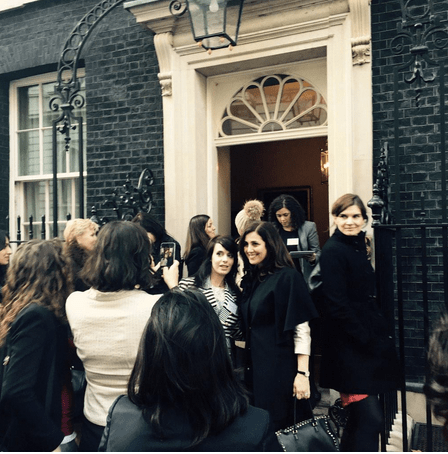
Screen Shot 2015-03-15 at 21.55.02

Photo opportunities outside 10 Downing.

Girls in Tech was honoured to co-partner with the Prime Minister’s Office and bring along forty selected promising women leaders to be part of it. Let this not be a one off, but an ongoing series of events.

Girls in Tech will be back this spring with a leadership mentoring program. Watch this space for more info. You can already express interest in the program by filling out this form.

****

Read more about this incredible and unique afternoon from our fellow blogging attendees:

Women Tech Leaders Ready to Finish what Feminism Started by Yolanda Blasco

Inspiring Fifty Women in Technology Roundtable Discussion and Mentoring Session with Girls in Tech by Sarah Rench

What I learnt from the Women at 10 Downing Street by Hannah Russell

Knocking on the door of Number 10 by Diana Lee

How an invitation to 10 Downing Street left me wanting more… by Laura Chung

My inspiring afternoon at Number 10 by Chris O’Dell

#inspiringfiftyno10 at 10 Downing Street by Lucie Kerley

Not Everyone Has #FeministFridays: What I Learned On 10 Downing Street by Nandini Jammi

Thank you again for sharing your thoughts and feelings about the fabulous experience, and we hope to see you soon.

Girls In Tech partners with Prime Minister’s office and Inspiring Fifty for mentoring event

[This blog post was updated Wednesday 4th of March – after details were confirmed by the Prime minister Office and Inspiring Fifty confirmed last details. We made the last minute changes visible by crossing the wrong information and adding the right info in bold]

Girls In Tech is partnering with the Prime Minister’s office and Inspiring Fifty to host a mentoring session, where top women in the European technology community will mentor women seeking a successful career in tech, or to further their career in tech (however it does not need to be a very technical role).

Girls In Tech is now looking for forty women interested in meeting role models at this high-profile session at the Downing Street itself next Friday 6 March at 2.30pm They will get the chance to meet and learn from a phenomenal group of women who were recently identified as the most inspiring women in the European tech community. See the list of confirmed mentors at the bottom of this blog post.

These women role models were selected following a year-long search by Inspiring Fifty, a pan-European programme that identifies, encourages, develops and showcases women in leadership positions within the technology sector.

The mentoring session follows a roundtable hosted by Baroness Shields at 10 Downing Street to debate the opportunities and challenges of faced by women in tech, at which Girls In Tech will be taking a seat!

Application to the event are now closed. 

16603918532_d950967a89_k

The selection of applicants is going to be tough


We have closed the form to apply this morning after communication with the Prime Minister office that they are looking for forty young women – and after receiving phenomenal interest over the last four days.

If you have applied, you will hear from Girls in Tech later today on the selection process – and will be soon confirmed or not if you have been allocated a seat.

Unfortunately we won’t be  are not able to offer everyone a seat, event though we wish so. For the ones that were not selected, we will back to you with other mentoring opportunities in the soon future – Girls in Tech is to start a leadership mentoring program in the spring.

Be reassured and stay tuned via our Facebook or Twitter.


Mentors confirmed by the Home Office

Catherine Barba
Dr Sue Black
Paola Bonomo
Judith Clegg
Elaine Coughlan
Sherry Coutu
Nancy Cruickshank
Amélie Faure
Maelle Gavet
Corinne Goddign-Vigreux
Karen Hanton
Claudia Helming
Stephanie Hospital
Laura Jordan Bambach
Stephanie Kaiser
Neelie Kroes
Barbara Labate
Avid Larizadeh
Camilla Ley Valentin
Nicola Mendelsohn
Victoria Morrison
Lindsey Nefesh-Clarke
Janneke Niessen
Louise O’Sullivan
Kathryn Parsons
Justine Roberts
Joanna Shields
Ola Sitarska
Anita Krohn Traaseth
Wendy Tan White
Sarah Wood
Gabriele Zedlmayer
Josephine Goube
Joelle Frijters
Geraldine Le Meur
Linda Liukas
Lara Rouyres
Jennifer Schenker
Marina Tognetti
Colette Ballou

Dating Apps, Sex & Tech: Event Recap

What’s in the app store for our love lives these days, and is technology making finding one another easier or sleazier?

Girls in Tech invited the people behind London’s popular dating apps to consider these questions at our February panel event at Lyst Studios in Hoxton Square, Shoreditch.

15985054443_9ef895bf28_z

Dating, Sex & Tech brought a full room of over 150 guys and gals to listen to the founders and directors of successful dating apps 3nder, Happn, Antidate, and Dattch.

From left to right: Happn, 3nder, Anti-date & dattch

From left to right: Happn, 3nder, Antidate & Dattch

Moderated by Radhika Sanghani, the panel shared amusing insights into our dating behaviours. Data from across the apps pulled out similarities in behaviour, with highest interaction levels at evenings and weekends, notably Sunday evenings. In the visually-driven world of engagement, girls are very selective, while boys are less so, then filter potential parters out based on their successful matches.

Did you match?

Did you find a match?

Is love (or lust) a swipe away? It depends. 3nder, for example, created an un-matching rule if there had been no communication after three days between two matched accounts, pushing a model not aimed at instant gratification and limitless chat between random strangers, but at following up and acting on your desires. As 3nder founder, Dimo explains: “I want people to meet in real life. I want something to happen between people”.

Marie, head of Media at Happn

Marie, Head of Media at Happn

Marie from Happn insisted that the Happn app fixess a real life painful experience: you meet someone you are attracted to, and you miss the chance to talk to them. Happn registers all users you cross paths with during the day, so you’ll never have to ask that gorgeous blonde on the tube her number anymore, just wait for her to become a match. Which makes us think, should we spend more time at Waitrose instead of Tesco? It might improve the quality and attractiveness of the Happn feed.

I wish I had downloaded Happn that night.

So who downloads and uses these apps? Everyone! Even men download and try to use Dattch, the lesbian app. “5% of downloads are made by men. We have a system to recognise when that happens via social logins or asking for a proof of picture with ‘I love Dattch’ written on their hands.”

16419101839_54e39229a5_z

As for 3nder obviously, it is a little more of a niche so to speak – and Dimo, the app’s founder with over 300,000 users, says that it serves a large market of open-minded people. “People using my apps are often thanking me. They are people that used Tinder or other dating apps and for whom the experience wasn’t so great. My app is straightforward, so there is no surprise for users at both ends.”

On the other hand, Antidate, an app that gives all the power to women to pick who they want, might attract women fed up with being constantly pinged or those looking for a little more privacy and less exposure. The two young women who founded the app last July will hopefully tell us their discoveries in the coming months.

16604534275_14c0bab3f3_z

We were delighted to see many attendees stay after the event to network and talk to the panelists, as well as numerous people downloading the apps during the event and afterward.

The event generated lots of great questions on twitter and from the attendees as well, such as “What’s the business model of your apps?!” “Do you think you can retain users, because it’s easy to opt in and out of your apps. The instant gratification feeling can last only a moment…”

16397664237_b6e929217c_z

Girls in Tech team member, Alessia, took glam pictures on the night that you can all find on her Flickr among other GIT events. On our end, we wrote 5 take-aways that we found interesting to share and have added the write-ups of our lovely blogger attendees – because they were too good not to.

16603585251_9c70e416ab_z

A HUGE thank you to our partners; our host LYST for their stunning gallery space, LY London for taking care of our PR and MOO for their continued sponsorship and for the takeaway booklets (which have a cheeky discount code on the back for our members).

We hope you enjoyed the event, please send feedback and any requests for future events to gitlondon@gmail.com.

Wishing you a happy St Valentines everyday,

Love,

@josephinegoube from GIT